Ethnotraumatology: Understanding Trauma in Black, Indigenous, & Diverse Ethnic Communities
Educating Psychologists Beyond A Western Framework
Lisseth London, PhD
Karen Brown, PhD
PSYCHOLOGICAL TRAUMA
Psychological trauma, as defined by the American Psychological Association, refers to the emotional response to an event or series of events that overwhelms an individual’s capacity to cope. The clinical definitions often emphasize the physiological and emotional symptoms resulting from distressing experiences. These can include nightmares, flashbacks, negative alterations in mood, and even physical symptoms such as headaches and nausea (American Psychiatric Association, 2022).
For decades, the field of psychology—grounded in Western theories—has maintained that trauma must be only connected to significantly severe stressors. The DSM-5 and later the DSM-5-TR formalized these parameters, categorizing trauma within the trauma and stressor-related disorders. However, while these definitions provide a helpful clinical lens, they tend to miss the sociocultural and historical contexts that shape trauma in Black, Indigenous, and Diverse Ethnic Communities (BIDEC).
These traditional frameworks largely focus on the event itself rather than the lived experience of trauma—how it is remembered, embodied, and passed on generationally. The exclusive reliance on Western diagnostic criteria underrepresents the cultural nuance needed when addressing trauma across different global populations.
ETHNOTRAUMATOLOGY
Ethnotraumatology emerges as a response to this gap. It is a framework that seeks to understand trauma through the cultural, historical, and spiritual realities of BIDEC populations. Rather than isolating trauma to singular events, ethnotraumatology considers the cumulative effects of colonization, forced migration, systemic violence, and spiritual displacement.
Ethnotraumatology recognizes that trauma among BIDEC populations is both historical and current, and deeply embedded in societal structures. From a biopsychosocial-spiritual lens, ethnotraumatology promotes assessment and healing practices that align with the cultural identities and belief systems of the communities being served.
For example, Indigenous healing models prioritize spiritual connections with ancestors and land, viewing wellness as holistic balance rather than merely symptom alleviation. This aligns with Reeves’ (2013) findings, which suggest that healing for Indigenous populations must be culturally grounded—engaging rituals, land, and ancestral knowledge.
The reluctance of BIDEC communities to engage with Western mental health systems is often rooted in centuries of colonization and medical marginalization. In many cases, faith-based Indigenous leaders are trusted more than formally trained psychologists, as they are seen as more aligned with communal values and lived experiences. Researchers like Kpobi and Swartz (2018) highlight that people in regions like Eastern Africa and the Caribbean often turn to traditional healers instead of mental health professionals due to distrust and cultural misalignment.
Therefore, educating psychologists in ethnotraumatology is essential—not as a supplement, but as a foundation. This education allows mental health professionals to approach healing with cultural competence, empathy, and historical awareness, moving beyond symptom-focused care to relationship-driven, community-rooted practices.
INDIGENOUS PSYCHOLOGY
Indigenous psychology is a natural ally to ethnotraumatology. It calls for the creation of psychological frameworks that originate from within the communities they are designed to serve. This stands in contrast to cultural or cross-cultural psychology, which historically examined populations from the outside or compares cultures through Western standards.
The focus of Indigenous psychology is on internal epistemologies—ways of knowing and healing that are grounded in ancestral traditions, local languages, and communal lifeways. It’s not simply about studying native groups; it’s about affirming their knowledge systems and applying them authentically within therapeutic contexts.
As scholars like Kim, Yang, and Hwang (2006) argue, behavior and mental processes must be understood within the cultural context in which they are lived. Indigenous psychology isn’t just an academic field—it’s a political and moral stance against the intellectual colonization that Western psychology has historically imposed.
Educating psychologists in this area means training them to deconstruct their own biases and build culturally relevant therapeutic tools. It requires humility, curiosity, and a commitment to justice.
CULTURAL PSYCHOLOGY
Cultural psychology complements this by examining how individual psychological processes are shaped by cultural environments. It emphasizes that beliefs, behaviors, and emotions are culturally constructed and sustained. This is crucial when working with BIDEC populations, whose cultural frameworks deeply influence how trauma is understood, narrated, and healed.
Integrating cultural psychology into ethnotraumatology means moving away from onesize-fits-all diagnoses. It means viewing symptoms not as disorders, but as messages— signals of cultural disconnection, identity loss, or intergenerational pain. Cultural psychology encourages psychologists to ask: What does healing look like in this community? What is the role of family, spirituality, ritual, and storytelling in the recovery process?
CULTURAL SENSITIVITY AND TRAUMA
True cultural sensitivity involves more than awareness—it requires active learning, respect, and adaptation. It is the ability to acknowledge the ways in which culture shapes mental health beliefs and behaviors and to respond with informed compassion.
In the context of trauma, cultural sensitivity must also include an understanding of cultural trauma. Unlike psychological trauma, which is often individual, cultural trauma refers to the collective memory of a group’s shared suffering. This may stem from slavery, colonization, genocide, or systemic oppression. Importantly, the members of the group do not need to have personally experienced the original event. What binds them is the legacy of that trauma and its imprint on their collective identity.
Ron Eyerman (2002) and Alexander et al. (2004) describe cultural trauma as a force that shapes identity and group consciousness. For example, the descendants of enslaved Africans in the U.S. carry the psychological residue of slavery—reflected in familial structures, community distrust, and internalized oppression. Similarly, Indigenous peoples across the globe bear the weight of land theft, cultural erasure, and forced assimilation.
Yet, this collective suffering can also be a source of strength. Cultural trauma, when acknowledged and validated, becomes a vehicle for communal healing. It fosters solidarity, resistance, and cultural pride. This is where culturally sensitive psychologists can play a transformative role—not by pathologizing the pain, but by empowering the community’s pathways to healing.
THE GLOBAL CALL FOR A NEW FRAMEWORK
The field of psychology is in a moment of reckoning. Around the world, mental health professionals are beginning to question the limits of Western paradigms and push for theories and practices that reflect global realities.
Ethnotraumatology is not just timely— it is necessary. As countries grapple with migration crises, decolonization movements, racial justice campaigns, and resurgence of Indigenous rights, psychologists must be equipped with tools that honor cultural complexity.
Educating psychologists in an ethnotraumatology framework prepares them to:
- Address trauma in ways that are culturally resonant and spiritually aware
- Partner with traditional healers and Indigenous leaders
- Recognize and respond to collective and intergenerational trauma
- Avoid the pathologization of cultural expressions and practices
- Co-create community-driven mental health interventions
Failure to do so risks perpetuating the same harm that psychological institutions have historically inflicted on marginalized communities. It also limits the healing potential of psychological care by ignoring the richness of cultural wisdom and resilience.
CONCLUSION
The future of global mental health lies not in expanding Western models but in dismantling them where they no longer serve the BIDEC Communities. Ethnotraumatology is the blueprint for this transformation. It calls for a deep respect for cultural knowledge, an embrace of spiritual and historical dimensions of trauma, and a radical reimagining of what it means to heal. A Journey Towards Rebirth: An Ethnotraumatology Guide to Healing (London, 2025, in press) walks community members and mental health professionals on how to assess, inform, empower, and apply the foundation of ethnotraumatology.
Training psychologists in this framework is not just about competence—it’s about justice. It’s about ensuring that every person, regardless of their background, has access to mental health care that sees them fully, hears them wholly, and honors their stories without distortion.
As we move forward, the challenge is clear: to make space for voices that have long been silenced, to learn from the ancestors, and to build a psychology that truly belongs to everyone.
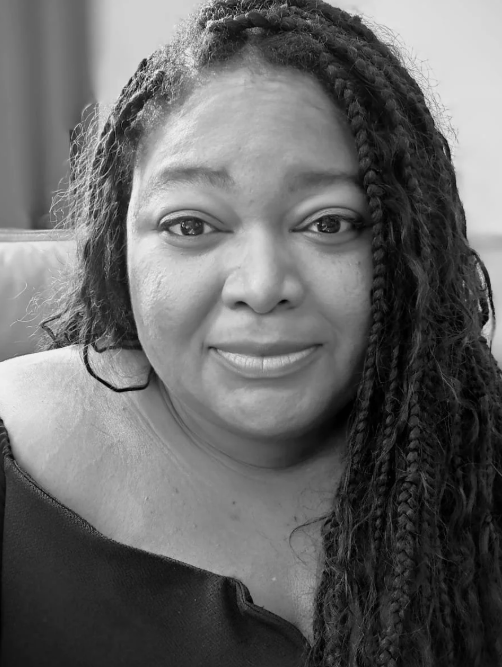
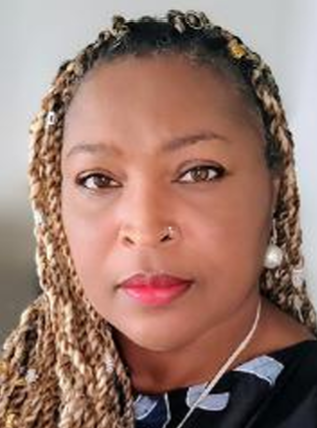
Dr. Lisseth London and Dr. Karen Brown are experts in ethnotraumatology, psychology, and community health with 20+ years of experience serving Black, Indigenous, and Diverse Ethnic Communities. As educators and advocates, they blend biopsychosocial-spiritual frameworks with cultural sensitivity, bridging traditional healing and mental health. Committed to justice and empowerment, they challenge Western models by centering Indigenous and community-rooted approaches, advancing education, policy, and care rooted in dignity and historical awareness.
Citation: London, L., & Brown, K. (2025). Ethnotraumatology: Understanding trauma in Black, Indigenous, and diverse ethnic communities: Educating psychologists beyond a western framework. Trauma Psychology News, 20(2), 8-12. https://traumapsychnews.com