
The Ghost of Unconscious Wounds:
A Legacy of Inherited Trauma
A follow-up essay to Traumatic Family and Hustle Culture (2024) (opens in new tab)
Minh Phan
Six years ago, one word pushed me out of my home after I disclosed my sexual orientation: ashamed. The exit began three years of estrangement, a slide into depression, and the start of psychotherapy. As I spoke, I began to trace my family’s story backward; what I had taken as personal rejection had deeper roots in histories that long predated my existence.
My parents were children of wartime, when any slightest mistake could fatally cost their lives, thrust into caretaker roles. The grandparents' harsh punishments and sibling competition for scarce resources shaped their parenting to correct unwanted behaviors for survival. Forced from their homes to save the youngest siblings during the late 70s famine and galloping inflation, they became familiar with physical abuse and the verbal shame of being a "freeloader" from relatives, turning them into the neglected children of the generation.
Unable to reckon with their own abandonment and oppression, they tightened the family hierarchy and called it protection while transferring their unmet ambitions to me in exchange for a conditional love. In my recurring dream, my parents, as small children, held my limbs tight and prevented me from leaving for my studies abroad back in 2023, manifested as suppressing my independence, and I yelled back and even slapped my father.
Paradoxically, I was expected to be a savior for their anxiety to compensate for their past sacrifice with an unlearned self-reliance. Once, when I refused to follow his commands, my father shouted, “How dare you talk back to me? What have you done for this family as a son? And what have I done for this family?” Criticism was framed as care, meant to protect us from social judgment, but instead discouraged my individual agency and diminished self-worth. Belonging required compliance, whereas speaking up broke familial loyalty.
The result was a home that felt more like an invisible battlefield where everyone started to play the subtle game of power. Starting with the imbalance of power dynamics between my father’s fragile pride after his first divorce and my mother’s quiet obedience, we sneakily fulfilled our unmet needs, leaving each generation alienated from the others. As everyone discreetly pleases each other’s unreasonable expectations, we unconsciously exert our egoistic wills and raise presumptions due to insecurity and lack of direct discussion.
Growing up in Vietnam’s postwar Baby Boomer era, shaped by poverty and strict cultural norms, my father tried to assert his “manliness,” later expressed in homophobic and misogynistic behaviors as he subliminally externalized his vulnerabilities and helplessness. Shame blocked help‑seeking, fueling self‑directed anger and tolerance of harm. Thereby, the demand to appear perfect and modest left no room to admit mistakes or practice apologies.
Later, they expected me to play a sensible role in mediating domestic disputes, reinforcing the idea that adults cannot resolve conflicts alone, which later prevented me from becoming a problem solver in future relationships. Believing mistreatment from authority was the price of my mistakes, I oscillated between gullibility and deep-seated trust issues. Worse, the victim of normalized mistreatment can easily become a perpetrator to the weaker ones, and I recognized I was at the point where the cycle of trauma could pass to the next generation.
Time after time, I learned that debates with traumatized parents are rarely logical wins, but I understand my parents’ control as fear, not malice. Apparently, an incomplete childhood left them blind to the need for emotional stability and unconditional acceptance in a volatile, judgmental world. Thus, they mistook material comfort for the emotional support they lacked, forgetting that they used to never measure their parents’ love by materialistic wealth.
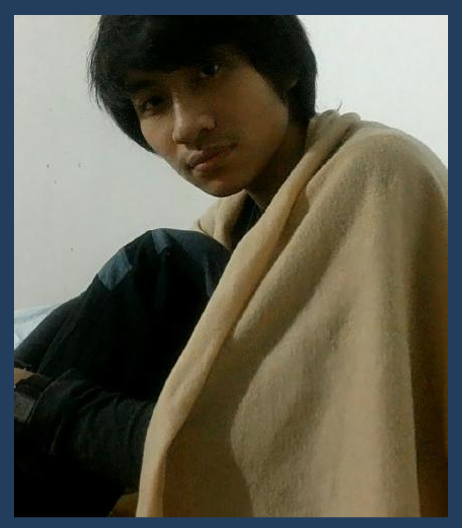
Minh is a dedicated scholar from Vietnam with a deep passion for psychotherapy, particularly in addressing intergenerational trauma—a focus inspired by his family history. He is interested in mental health topics such as emotional regulation, maladaptive coping mechanisms, and attachment theories. In addition to studies, Minh serves as a translator for Tia Sách-a nonprofit book initiative concentrating on mental health and lifestyle themes. He also co-authored a children's book to promote emotional stability within families.
Citation: Phan, M. (2025). The echo of unconscious wounds: A legacy of inherited trauma. Trauma Psychology News, 20(3), 34-35. https://traumapsychnews.com